Project Type
Location
Project Overview

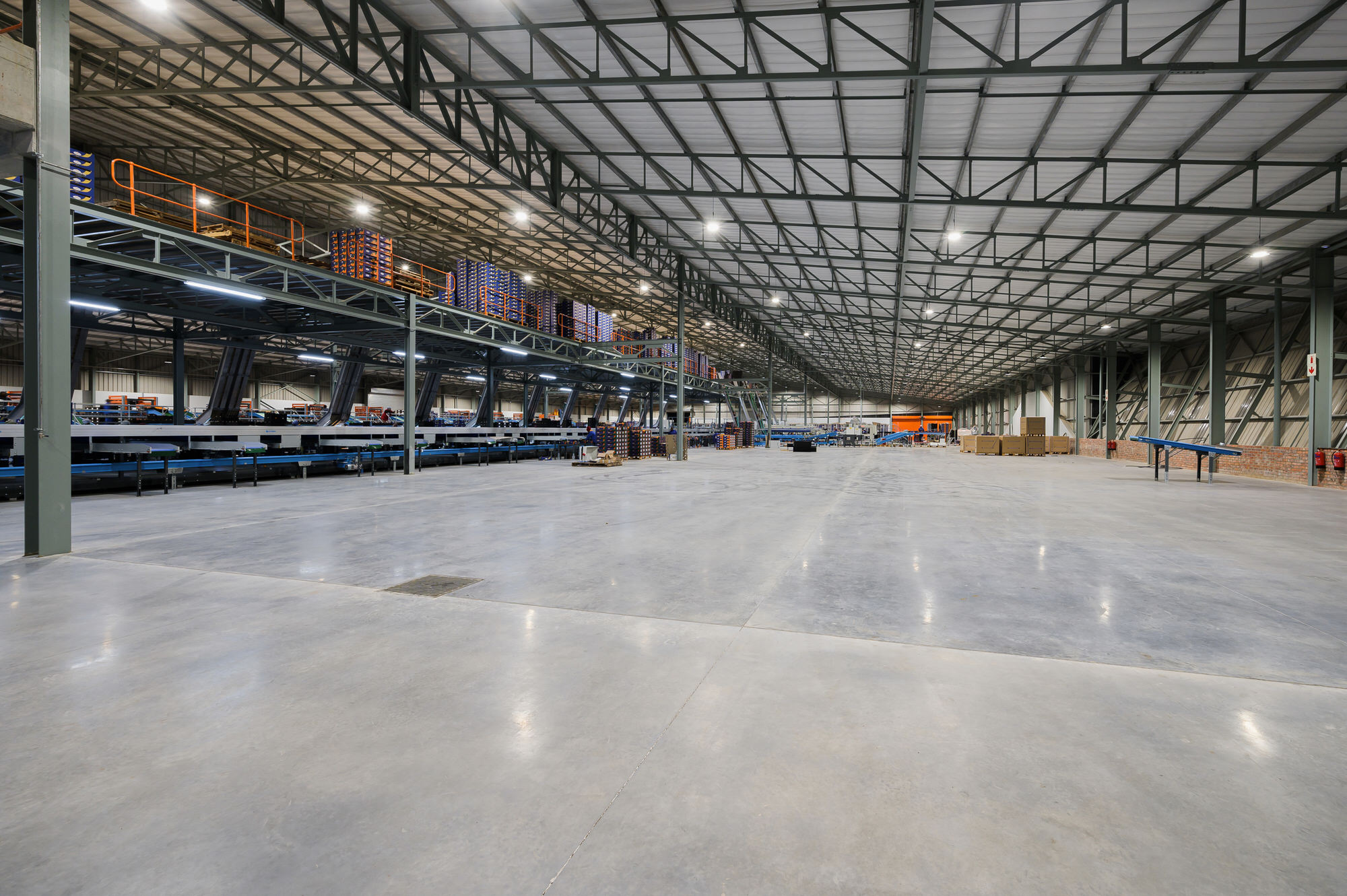
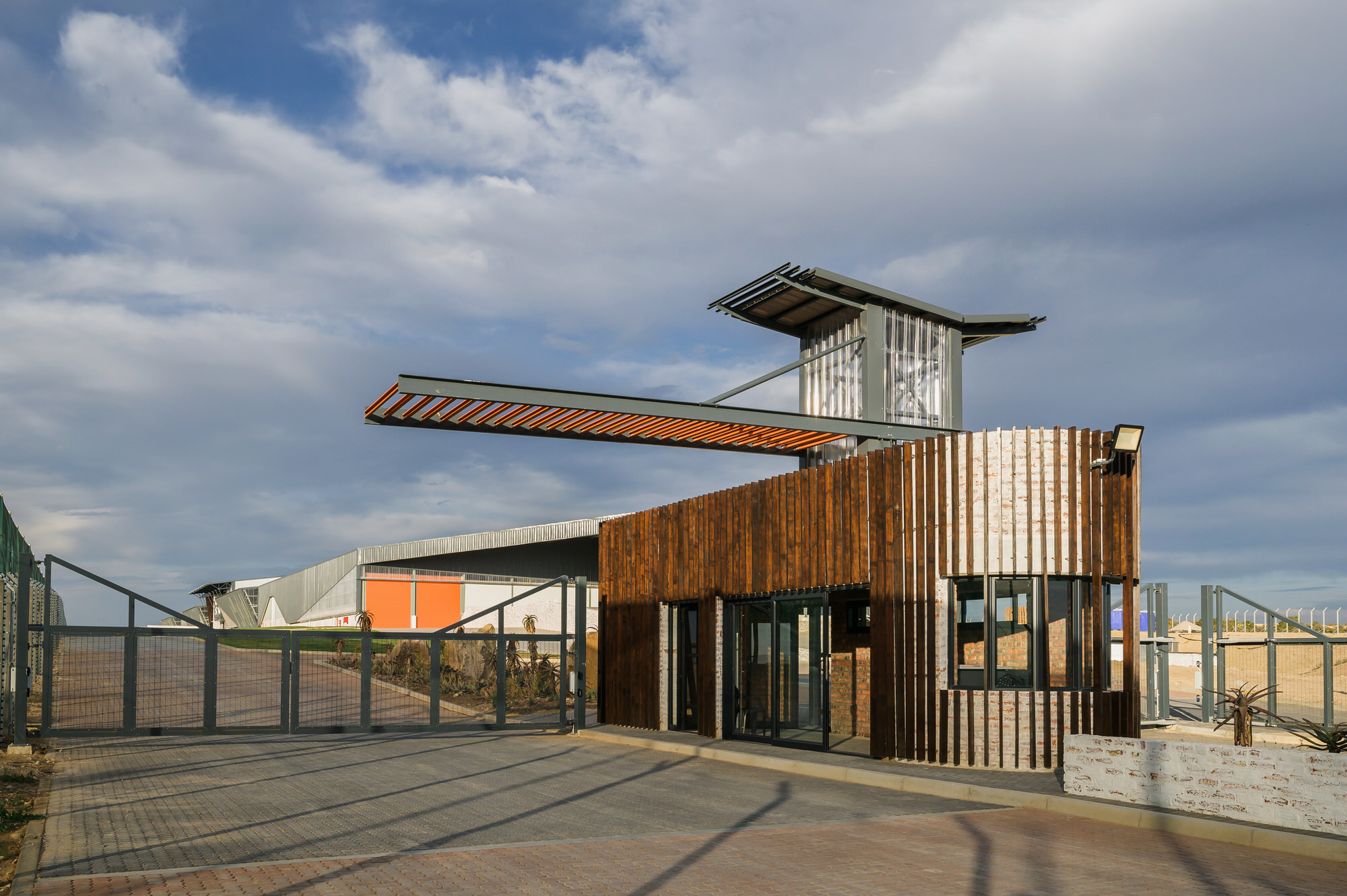
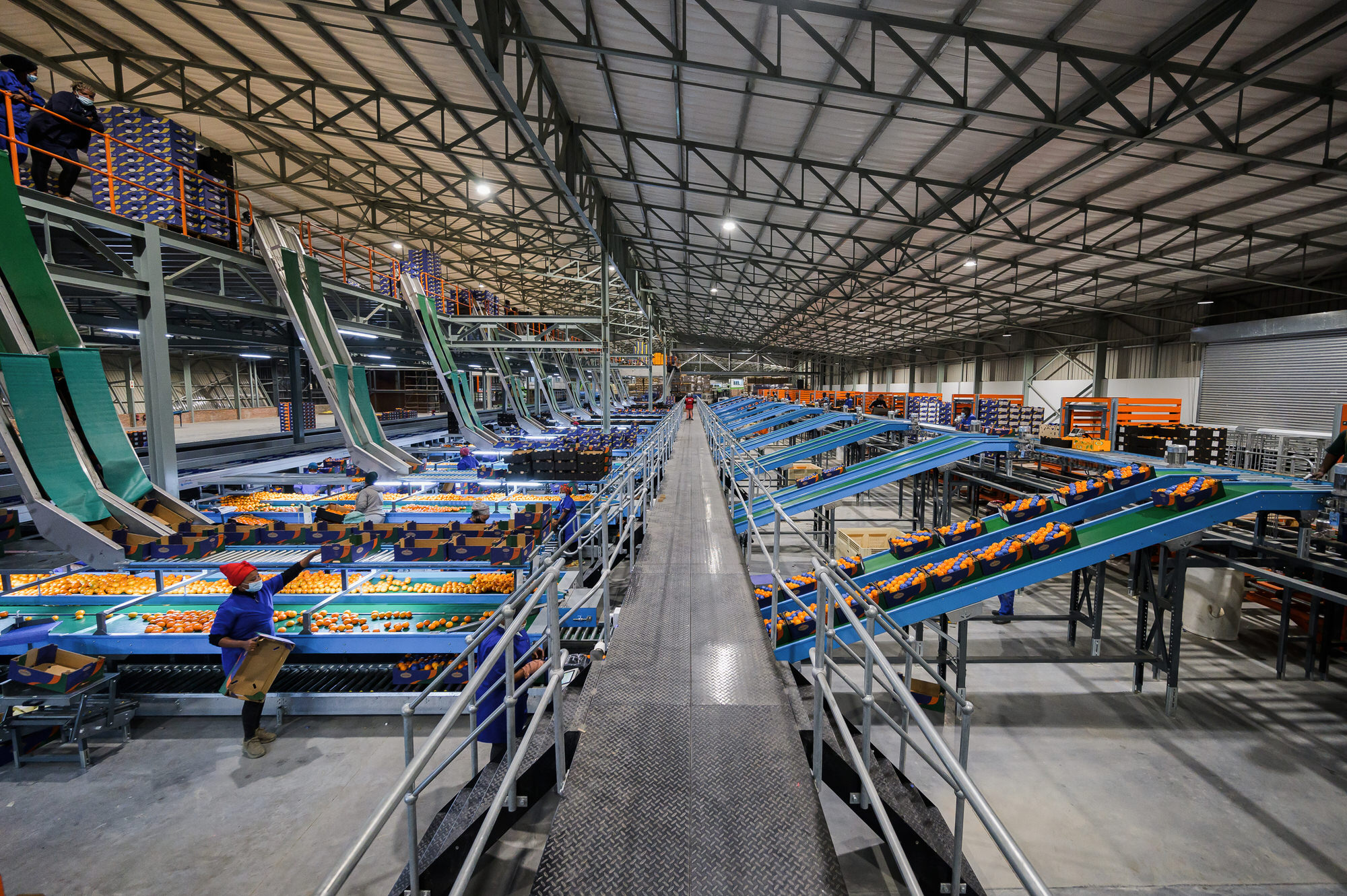
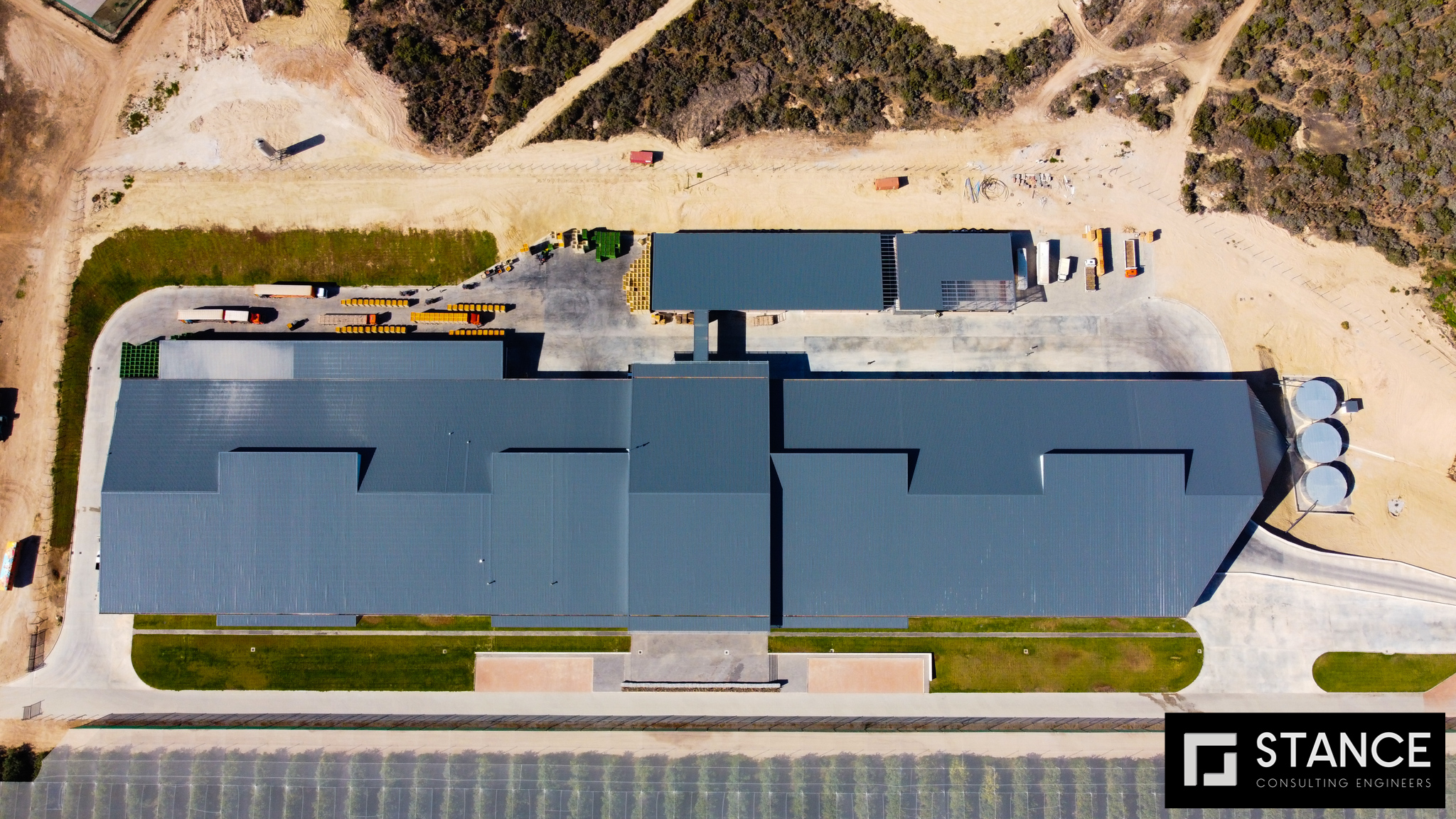
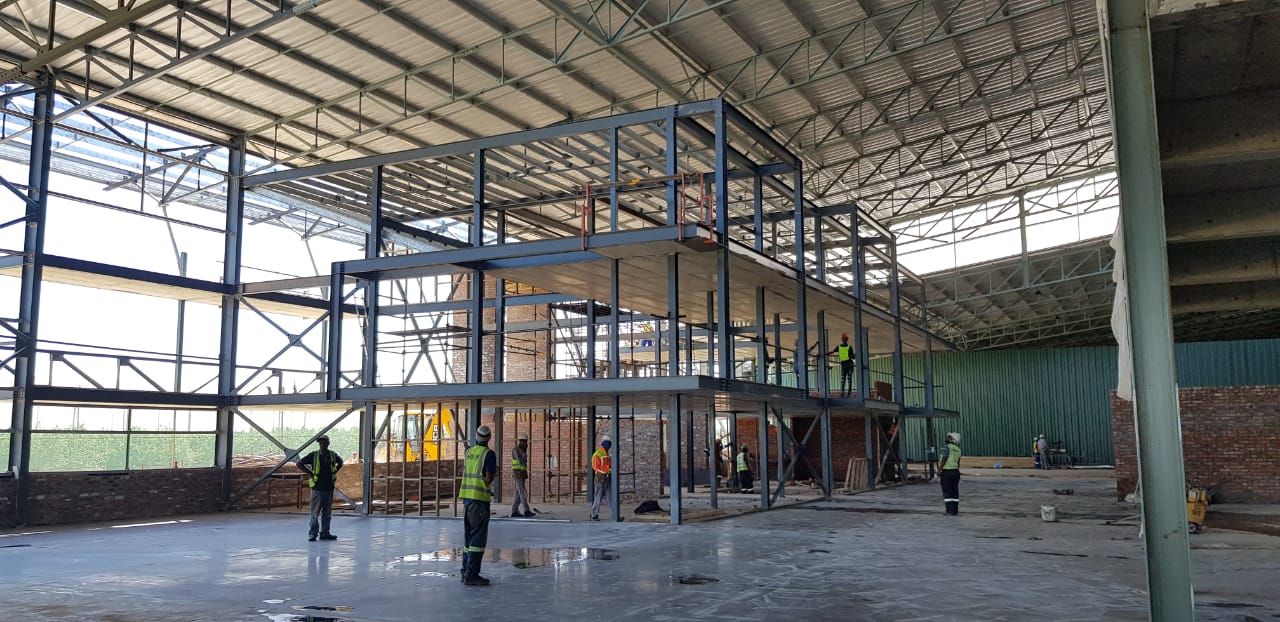
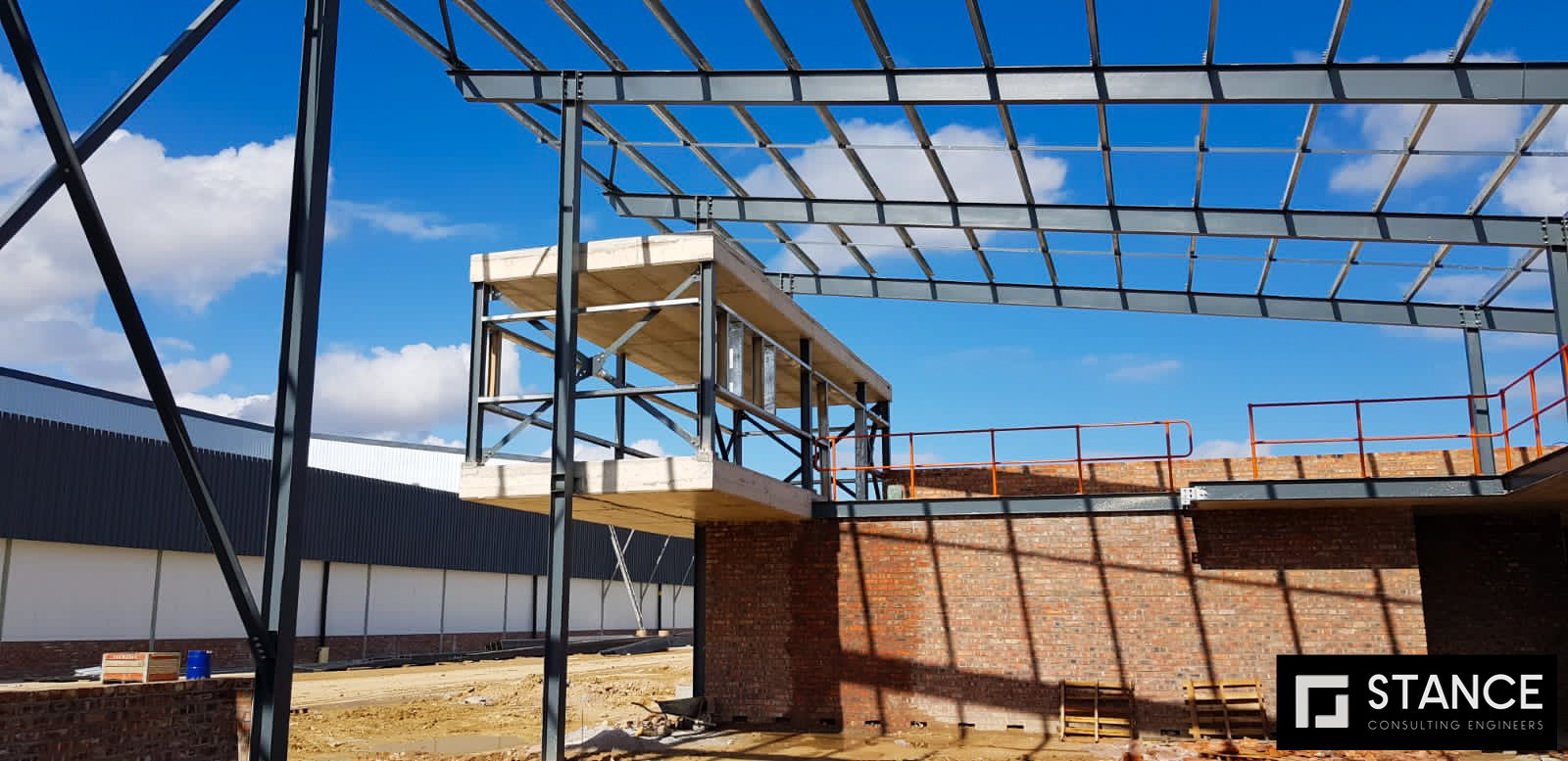
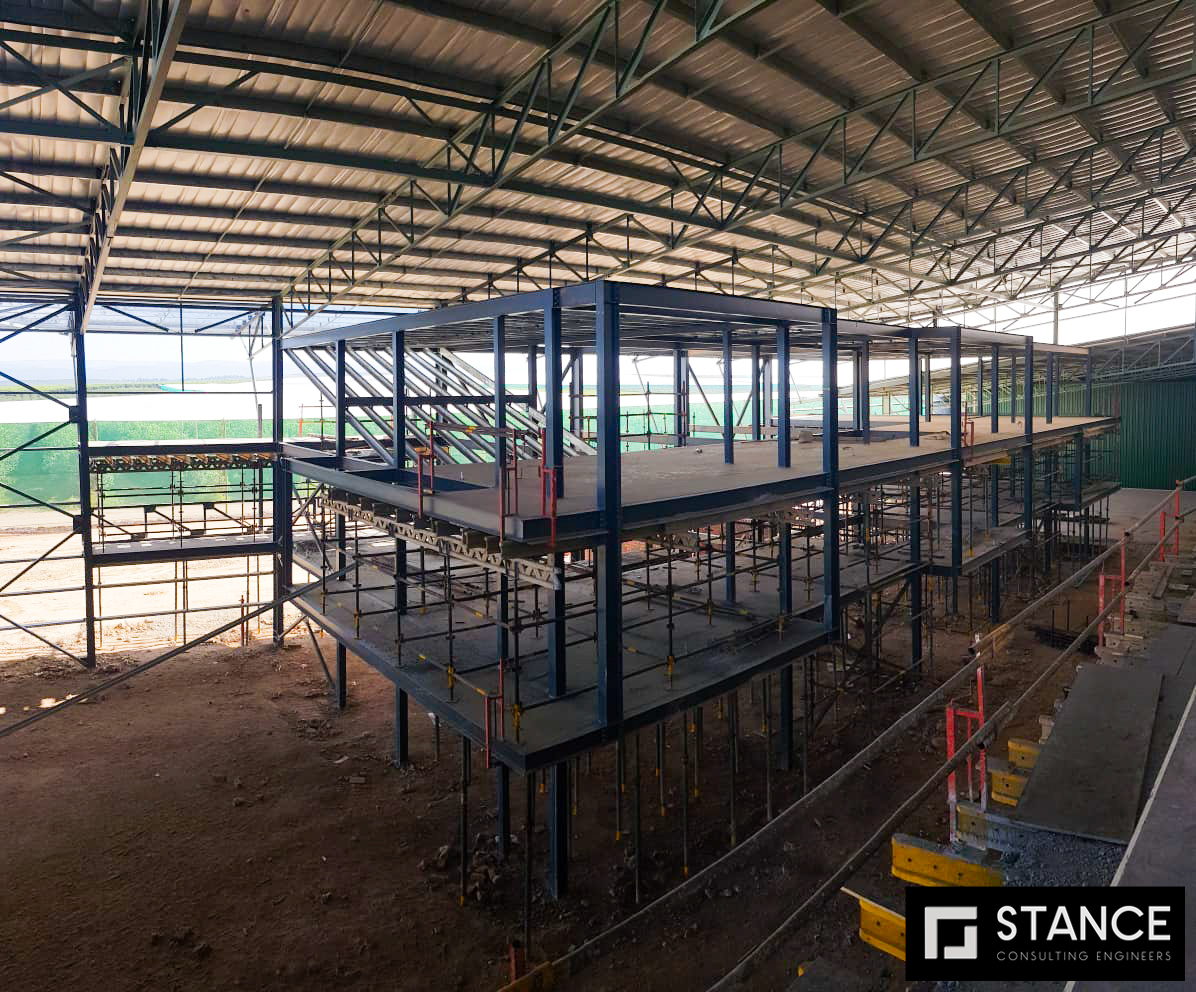
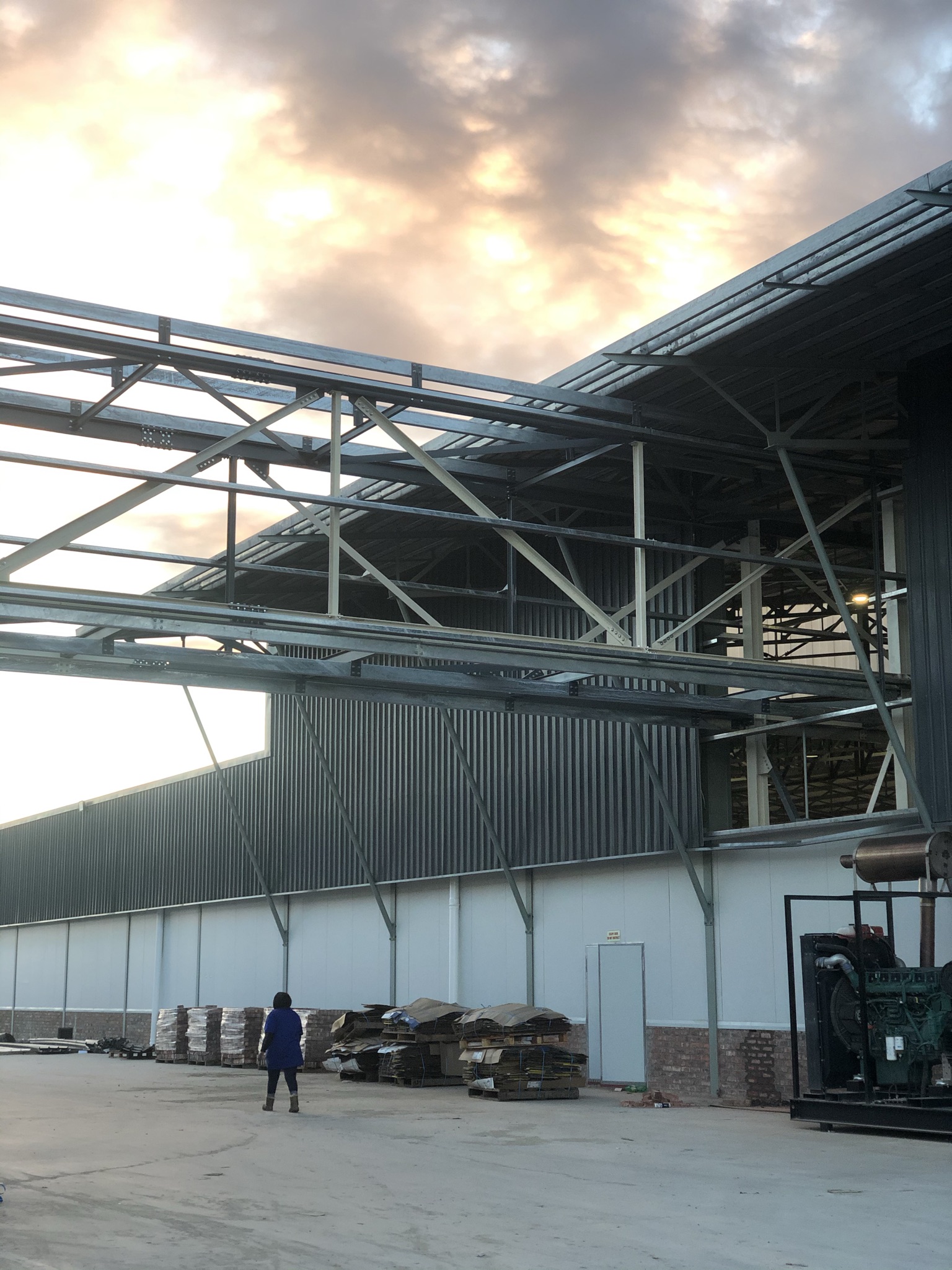
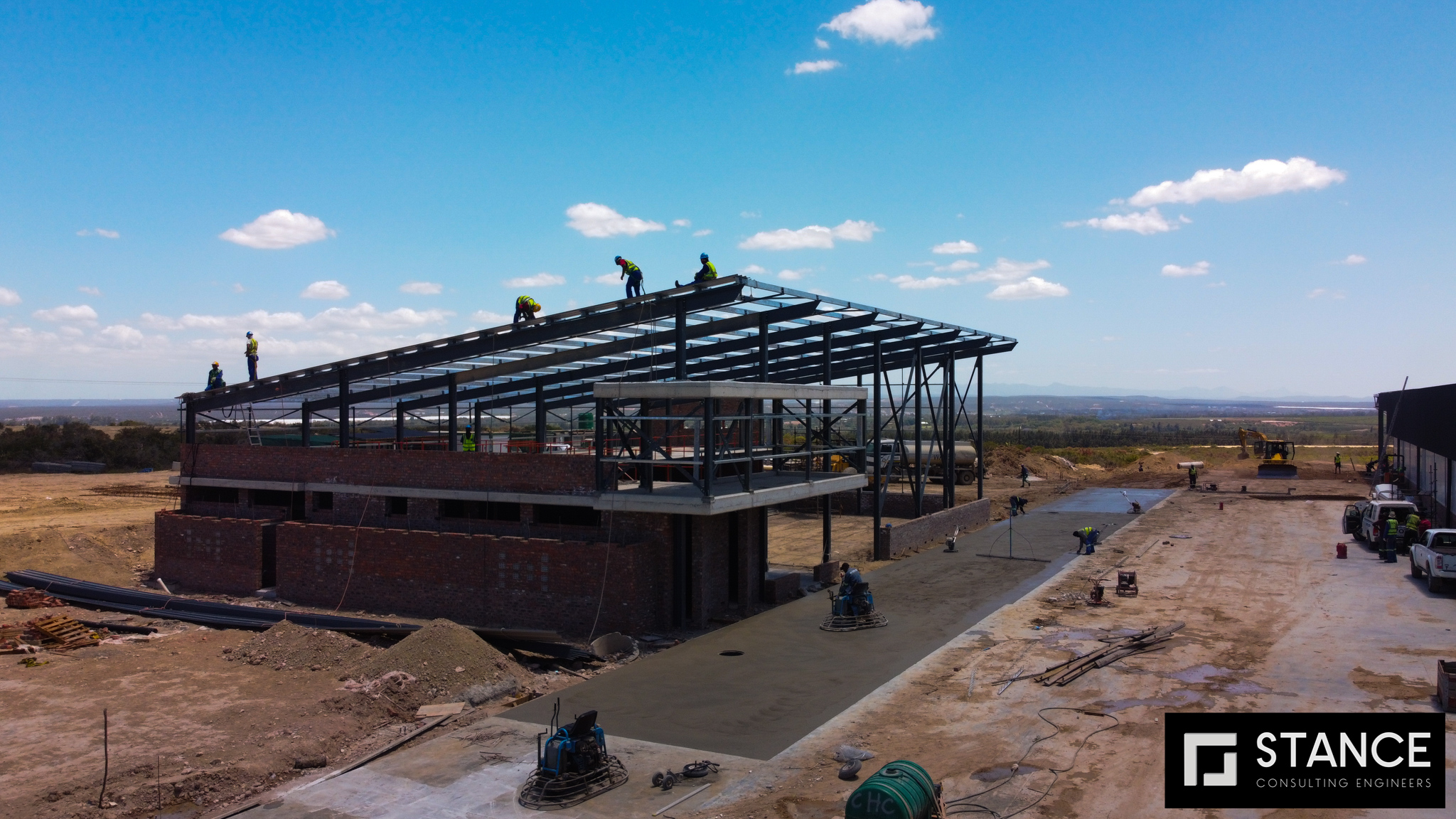
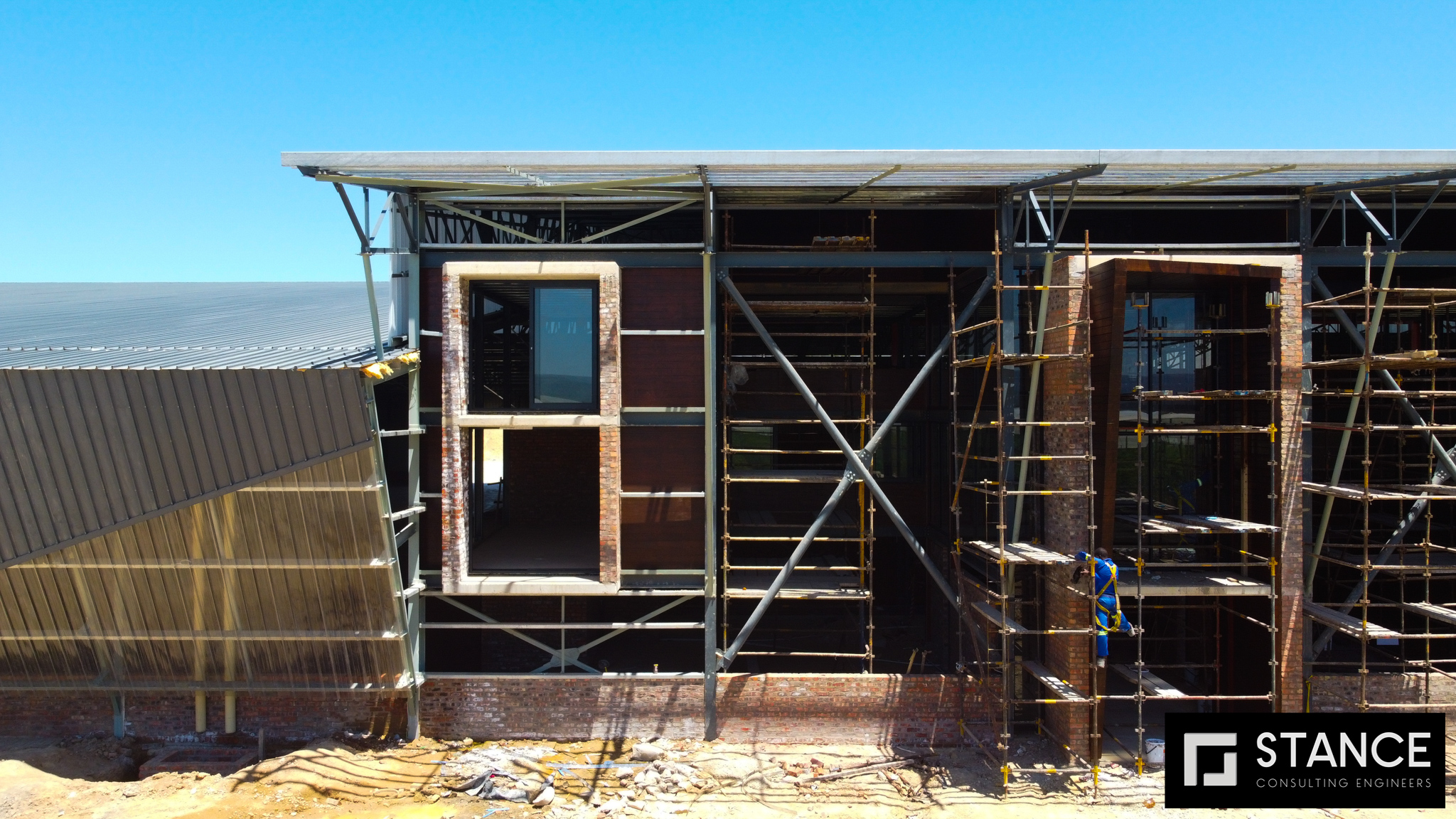
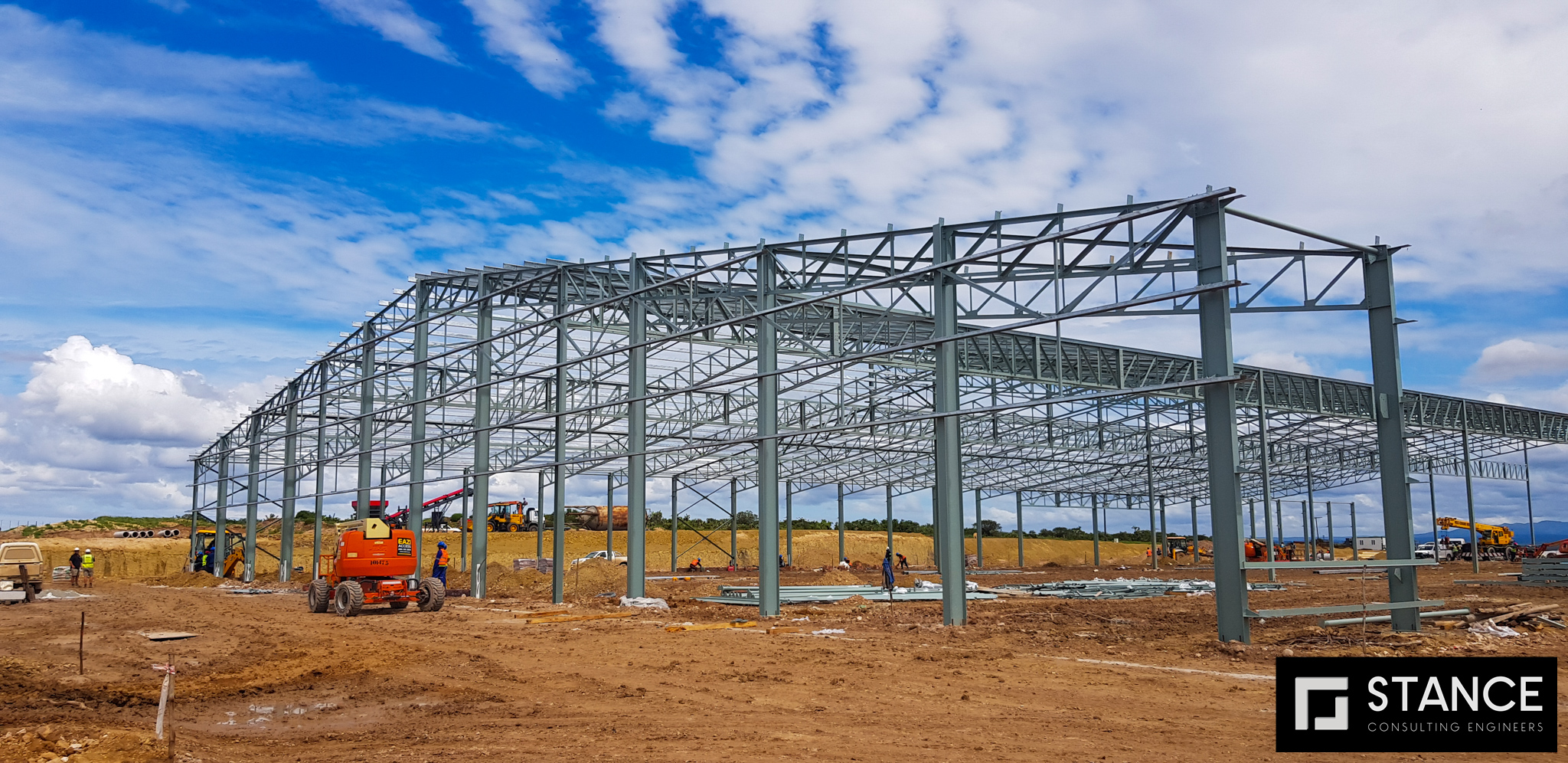
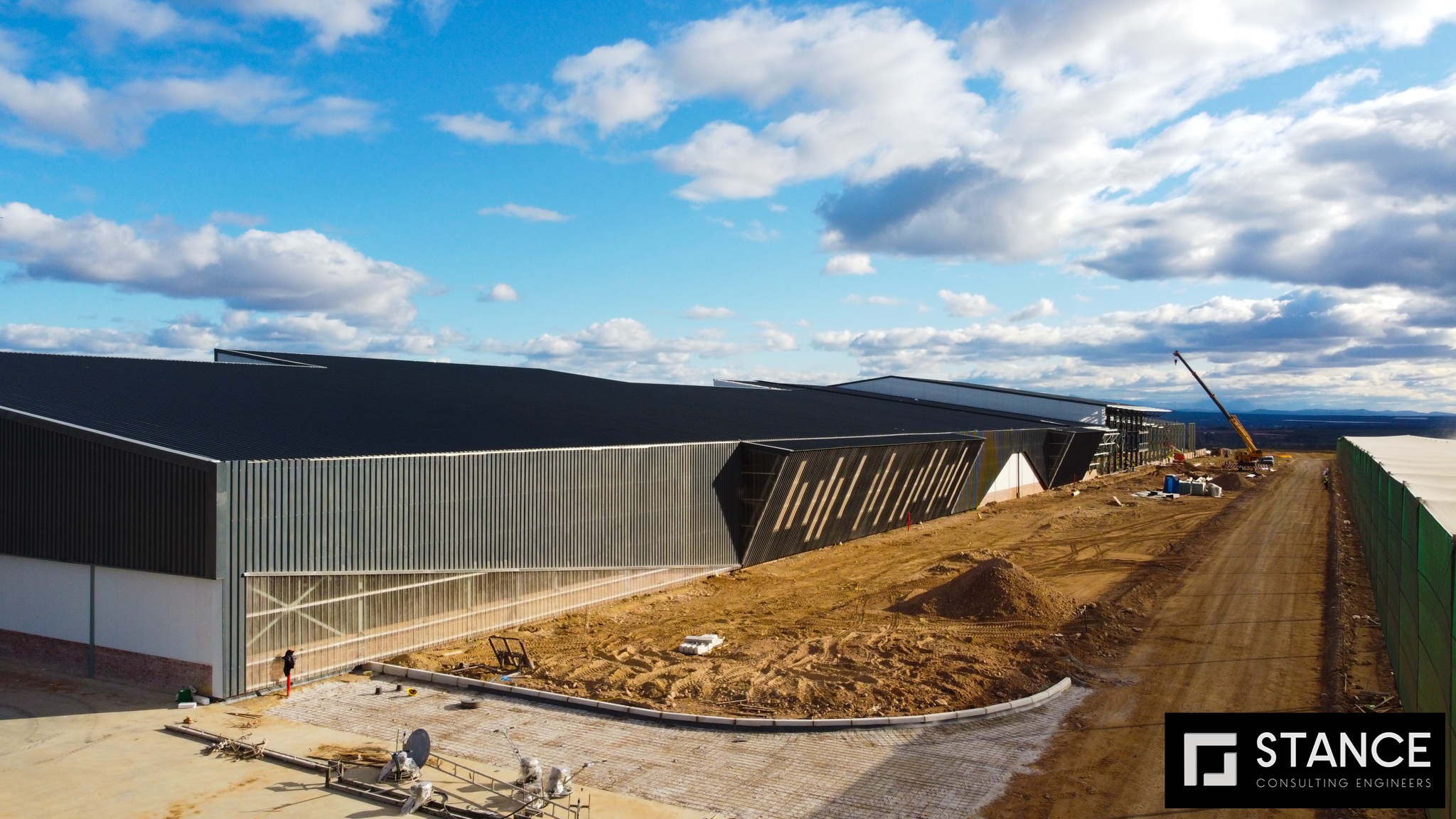
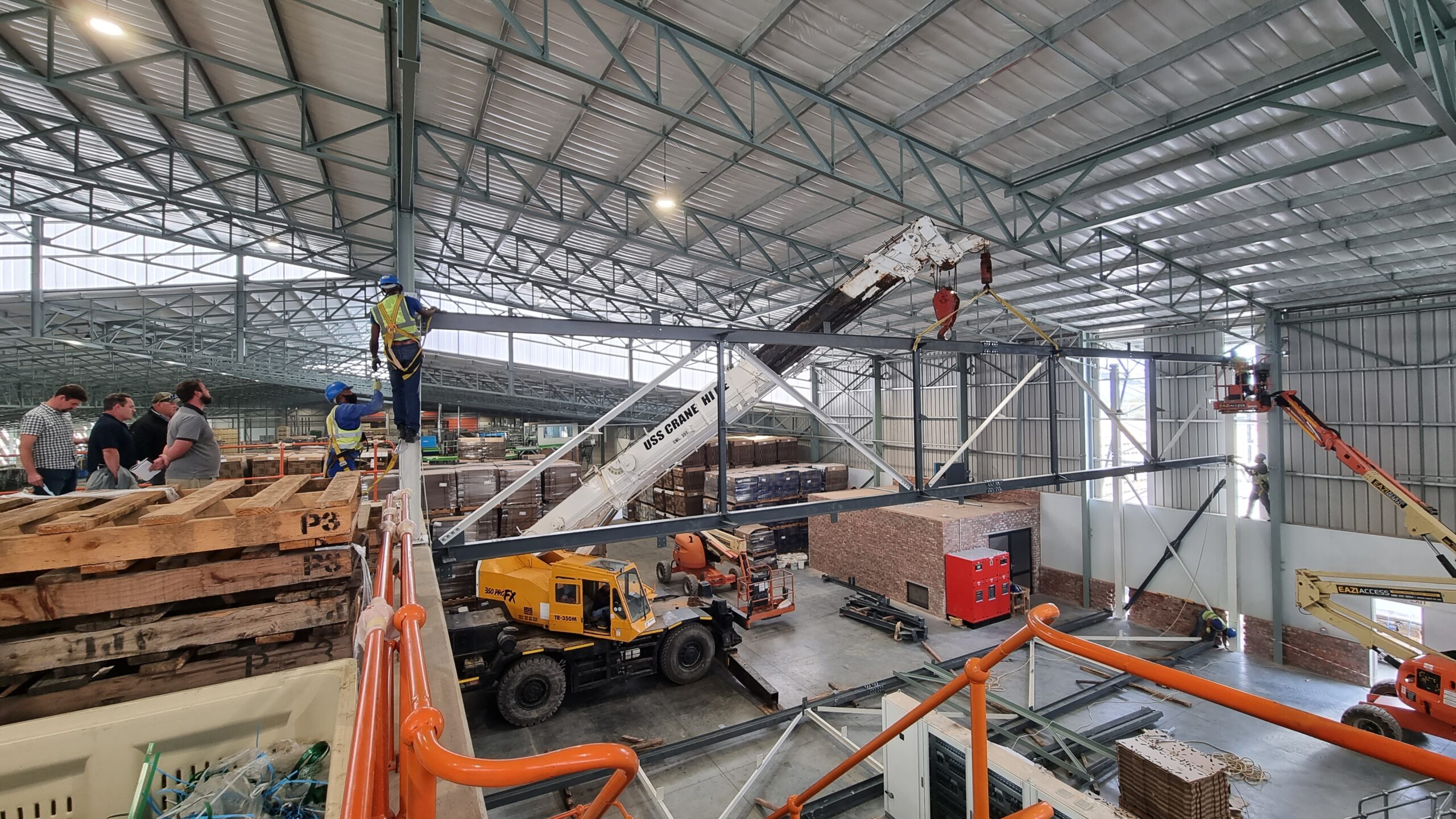
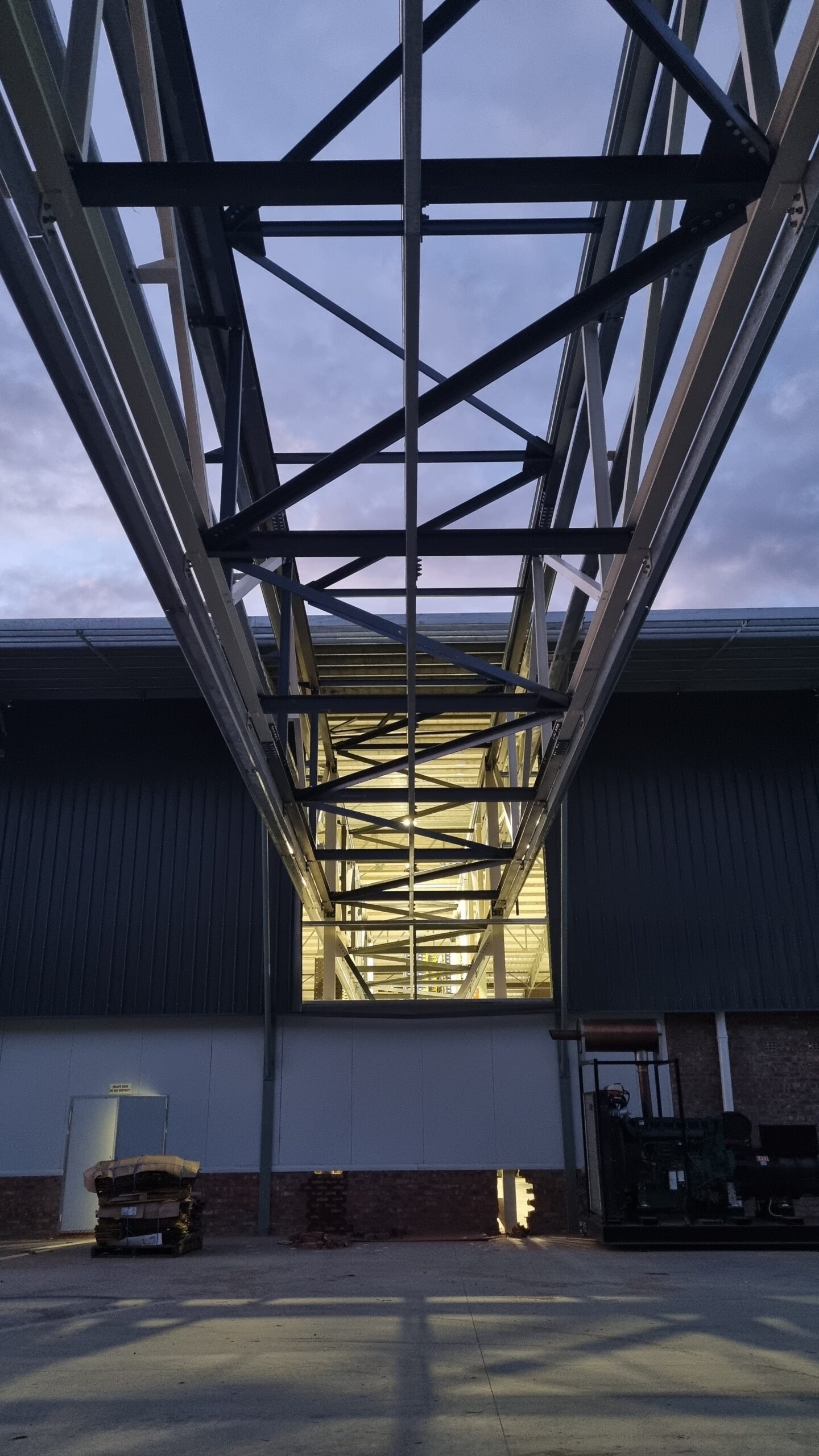
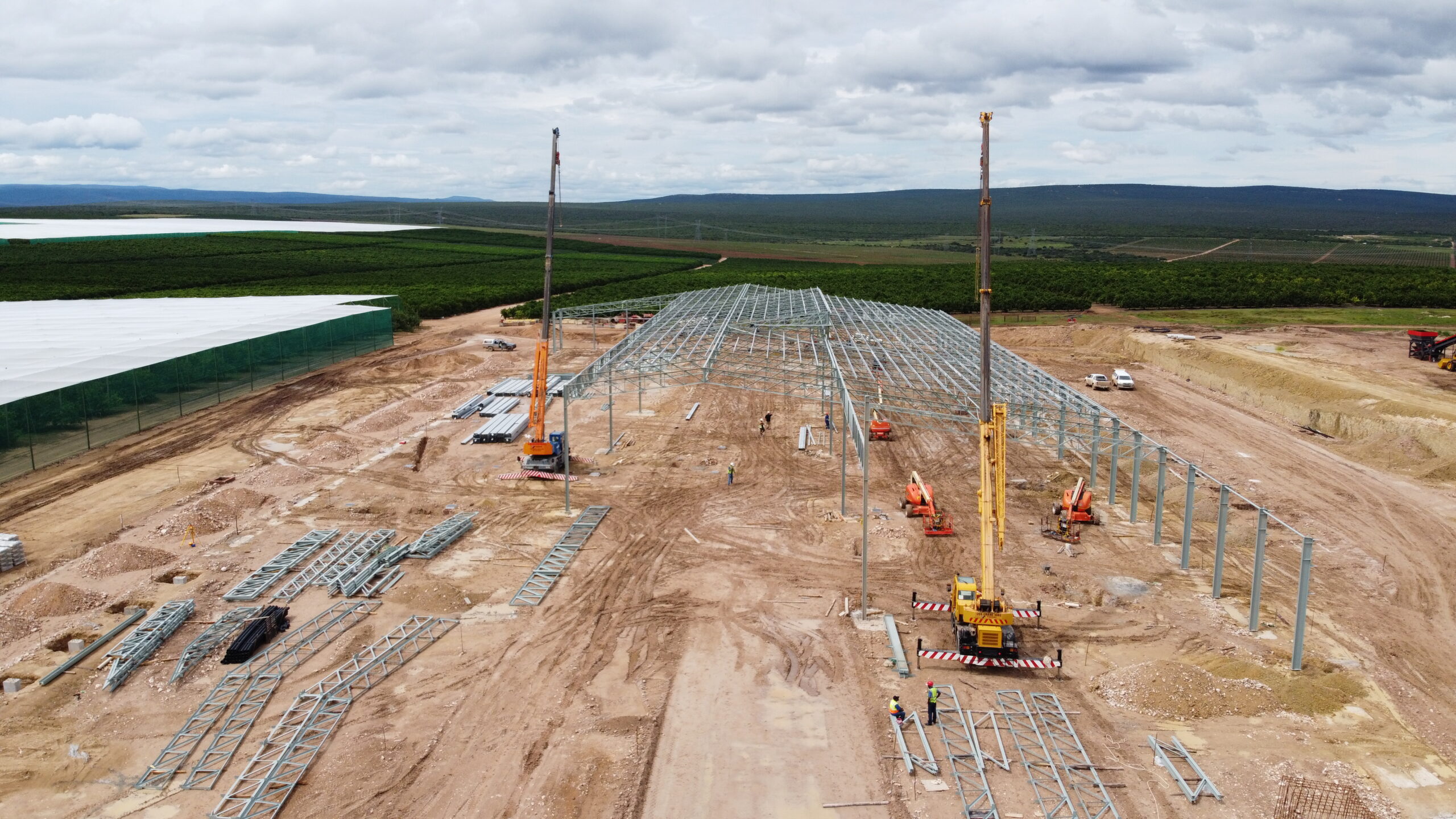
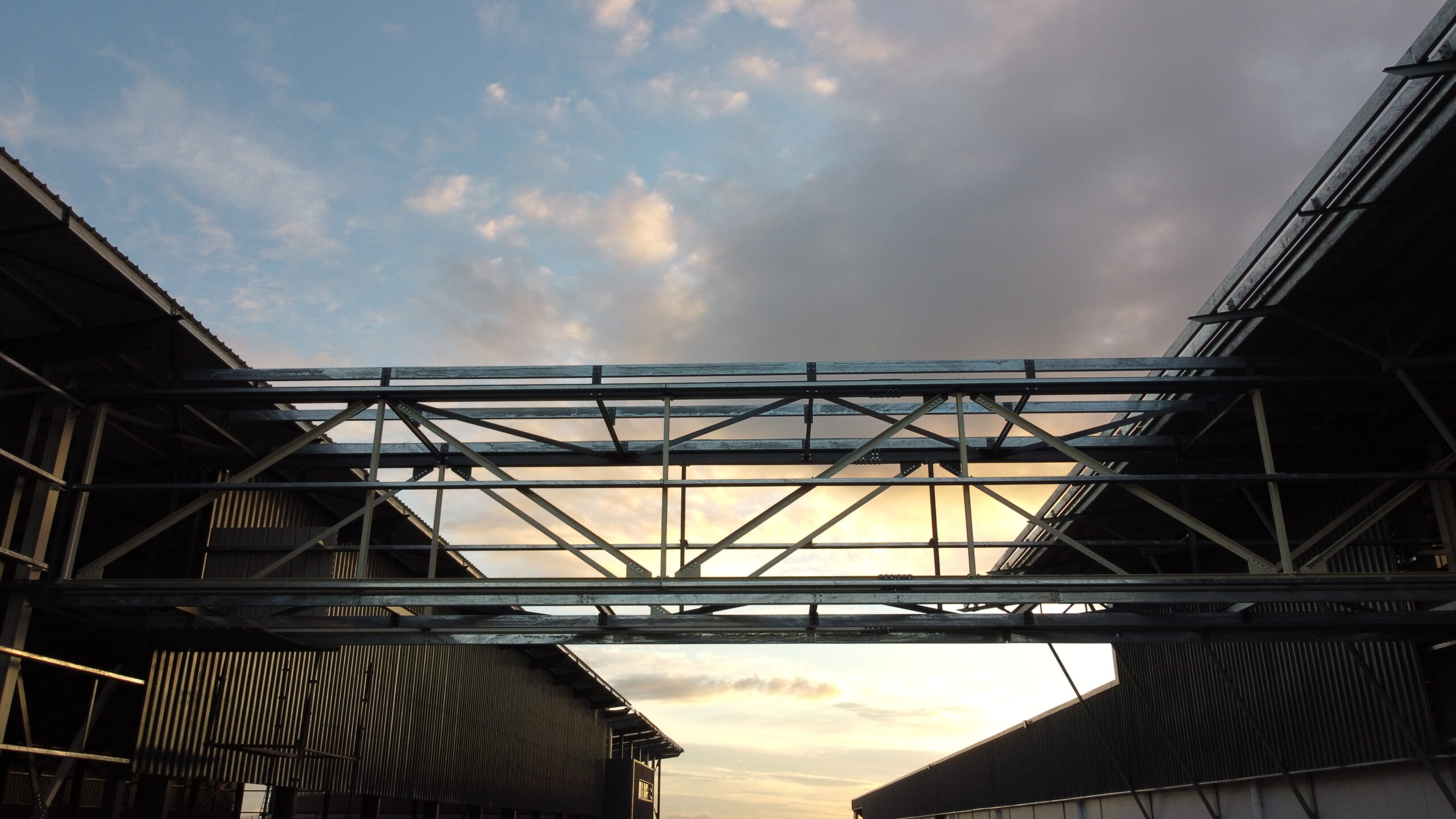
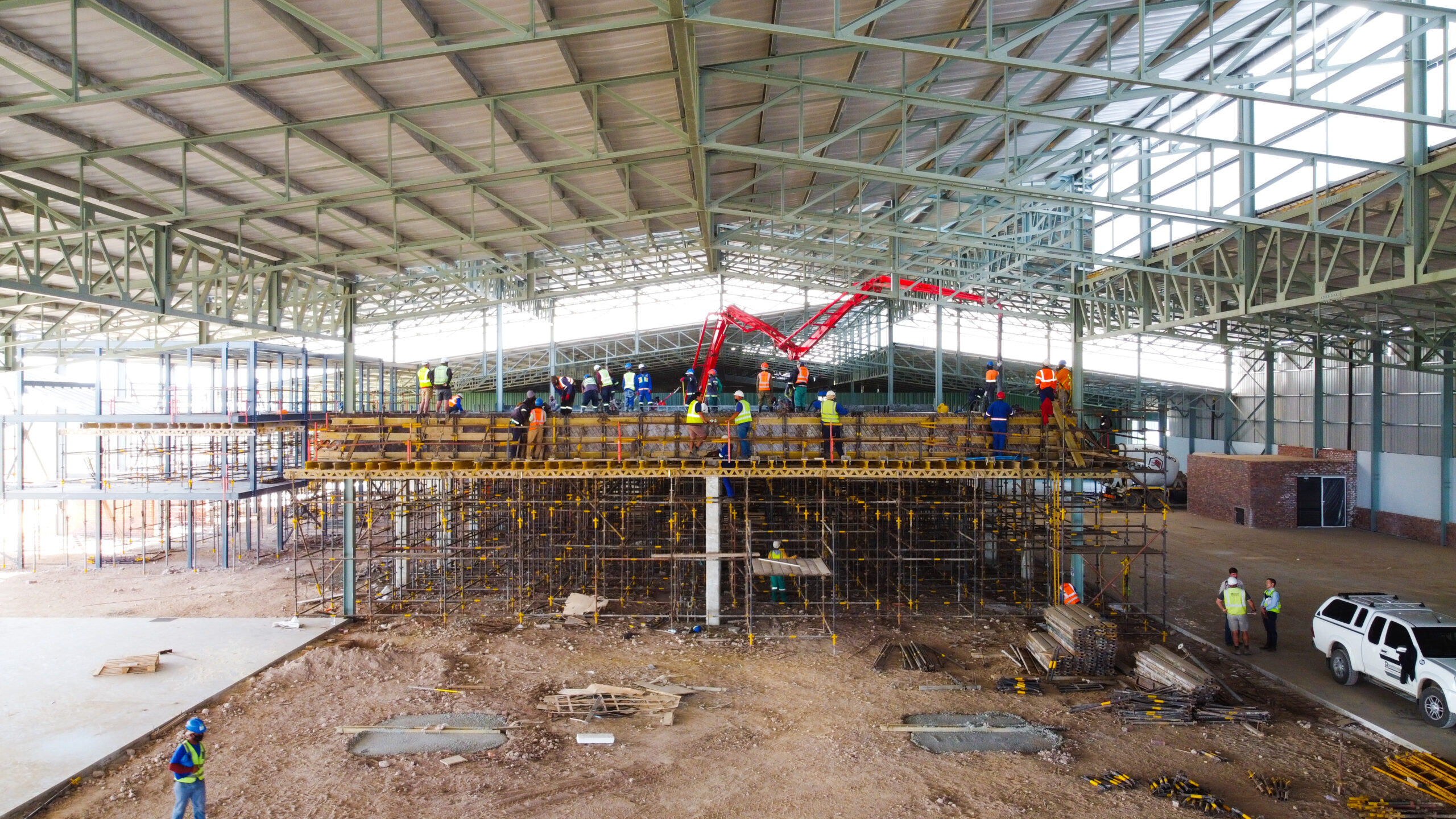
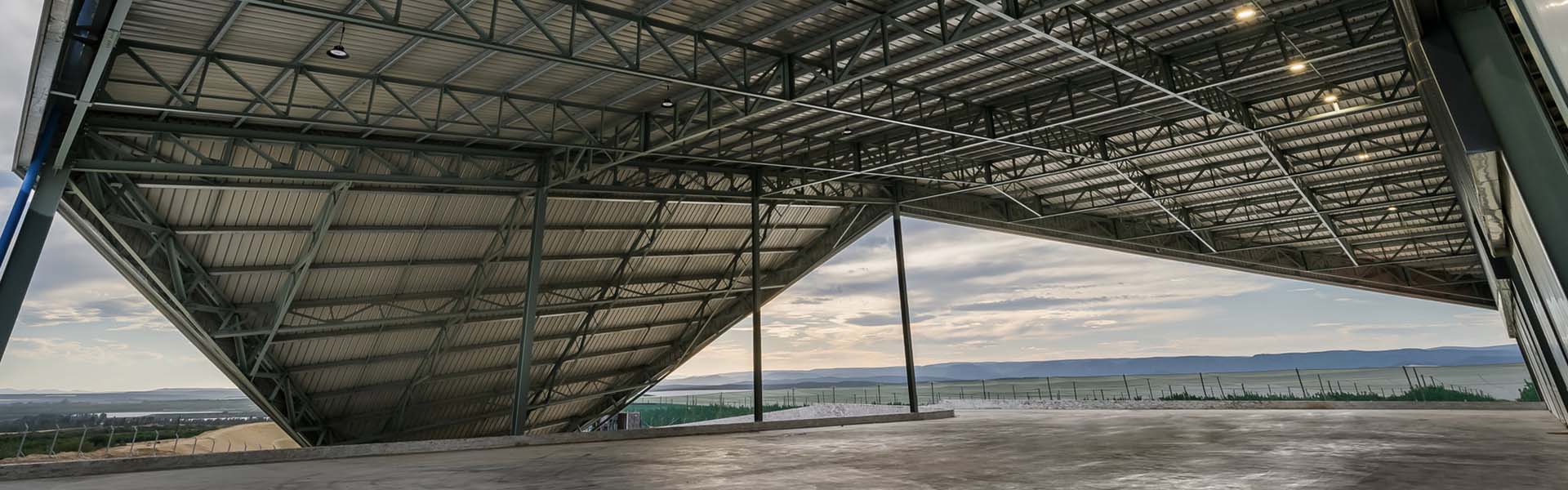
The Woodridge Packhouse project located in Addo in the Eastern Cape is an impressive feat of architectural and engineering design. The architect drew inspiration for the building's shape from the nets that cover citrus for protection against hail, birds, and insects. They aimed to create a skin over the rectangular form of the building, which allowed natural light to flood the interior while also embracing and celebrating the surrounding landscape. The project involved the construction of an aesthetically pleasing structural steel frame building with metal cladding. A total of 688 tons of steel was used, including a variety of profiles.
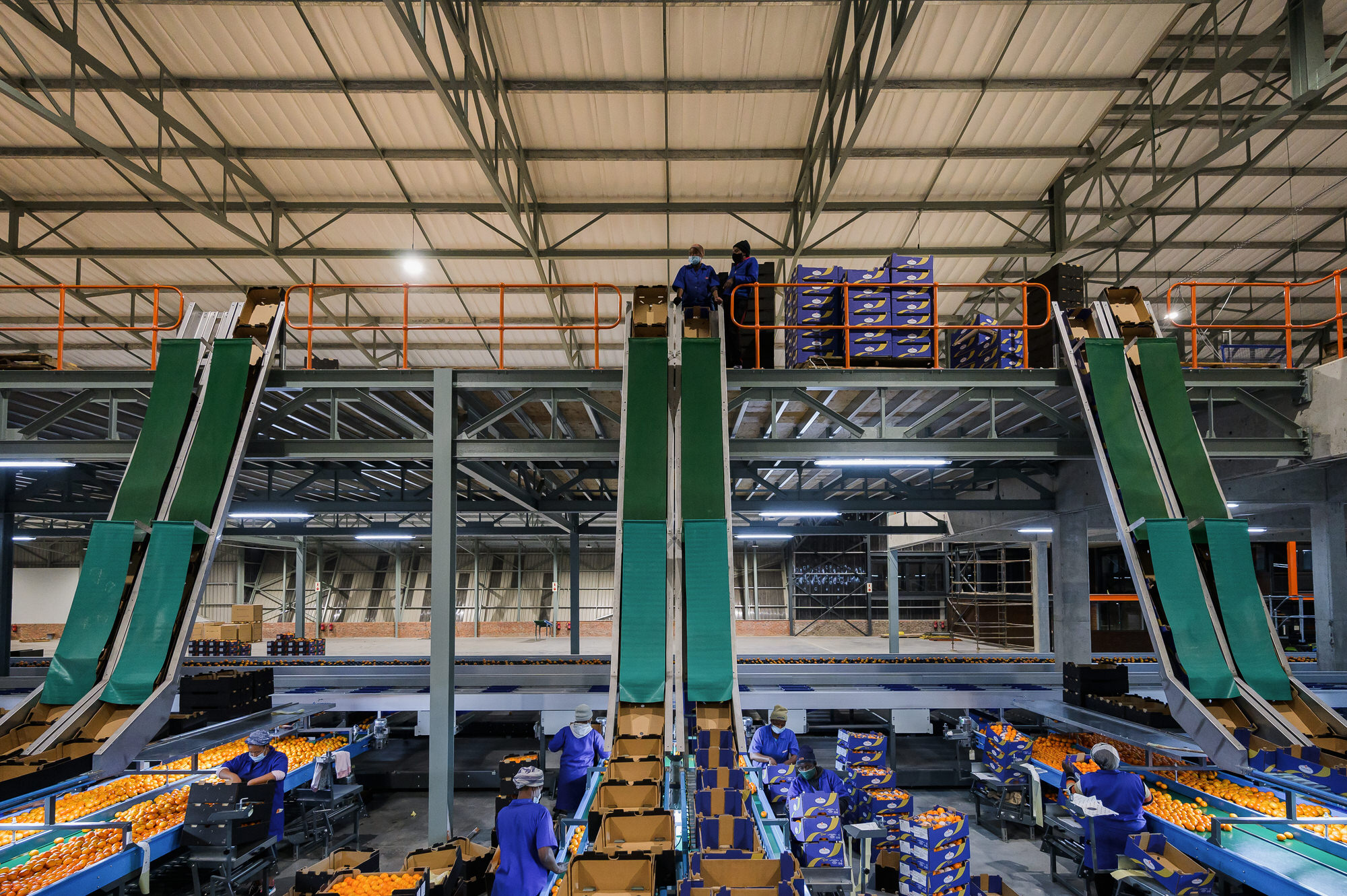
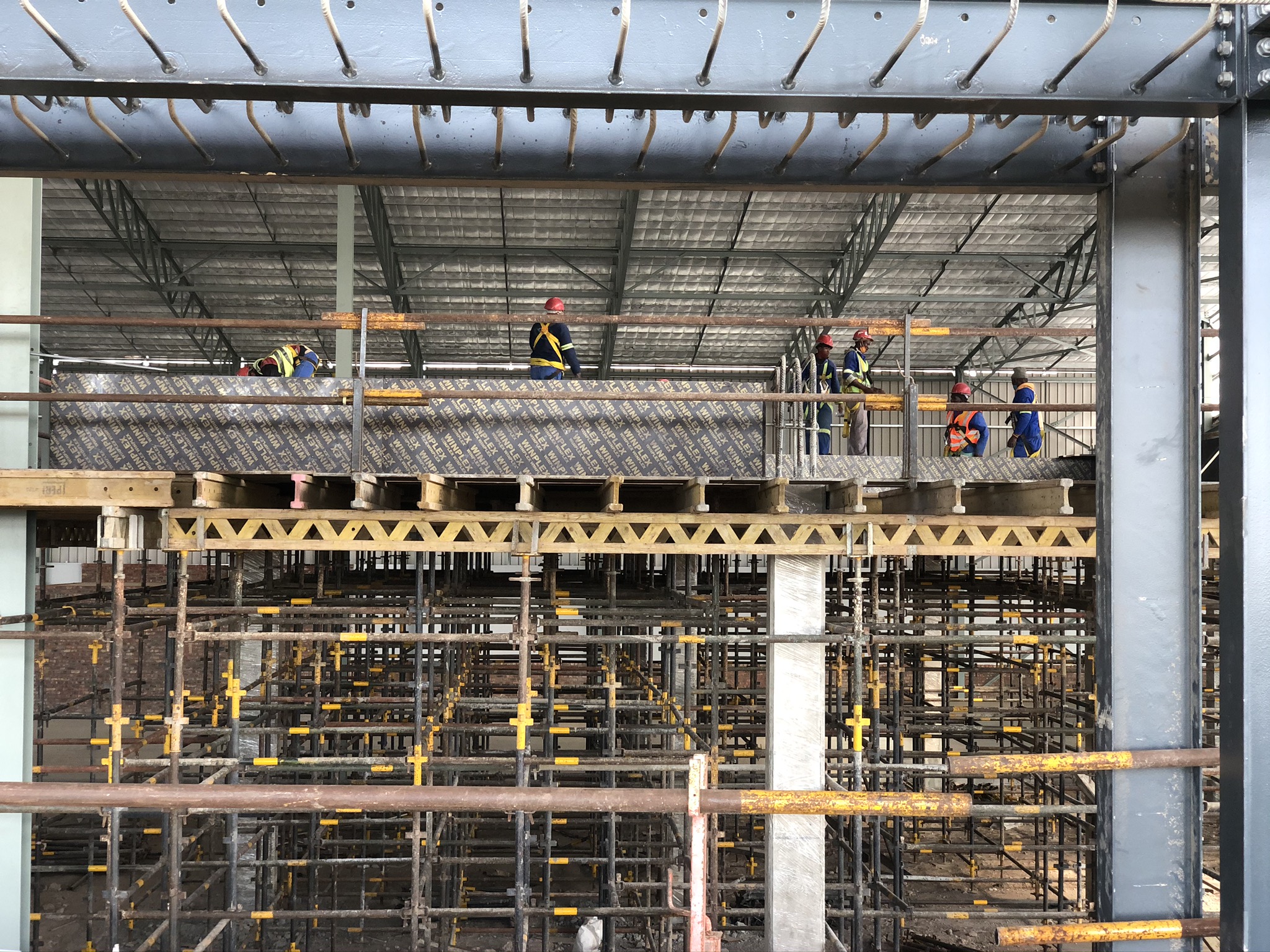
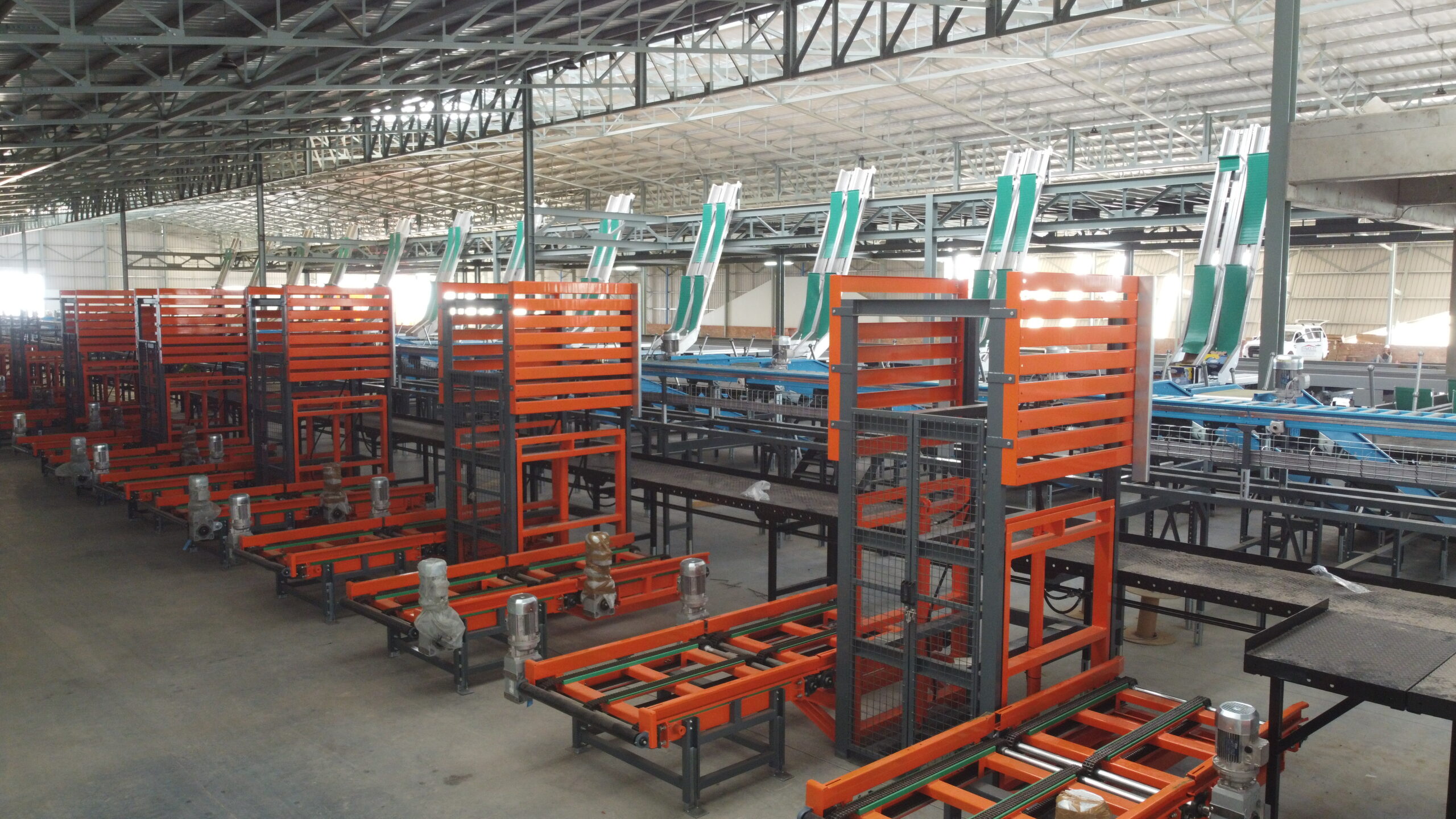
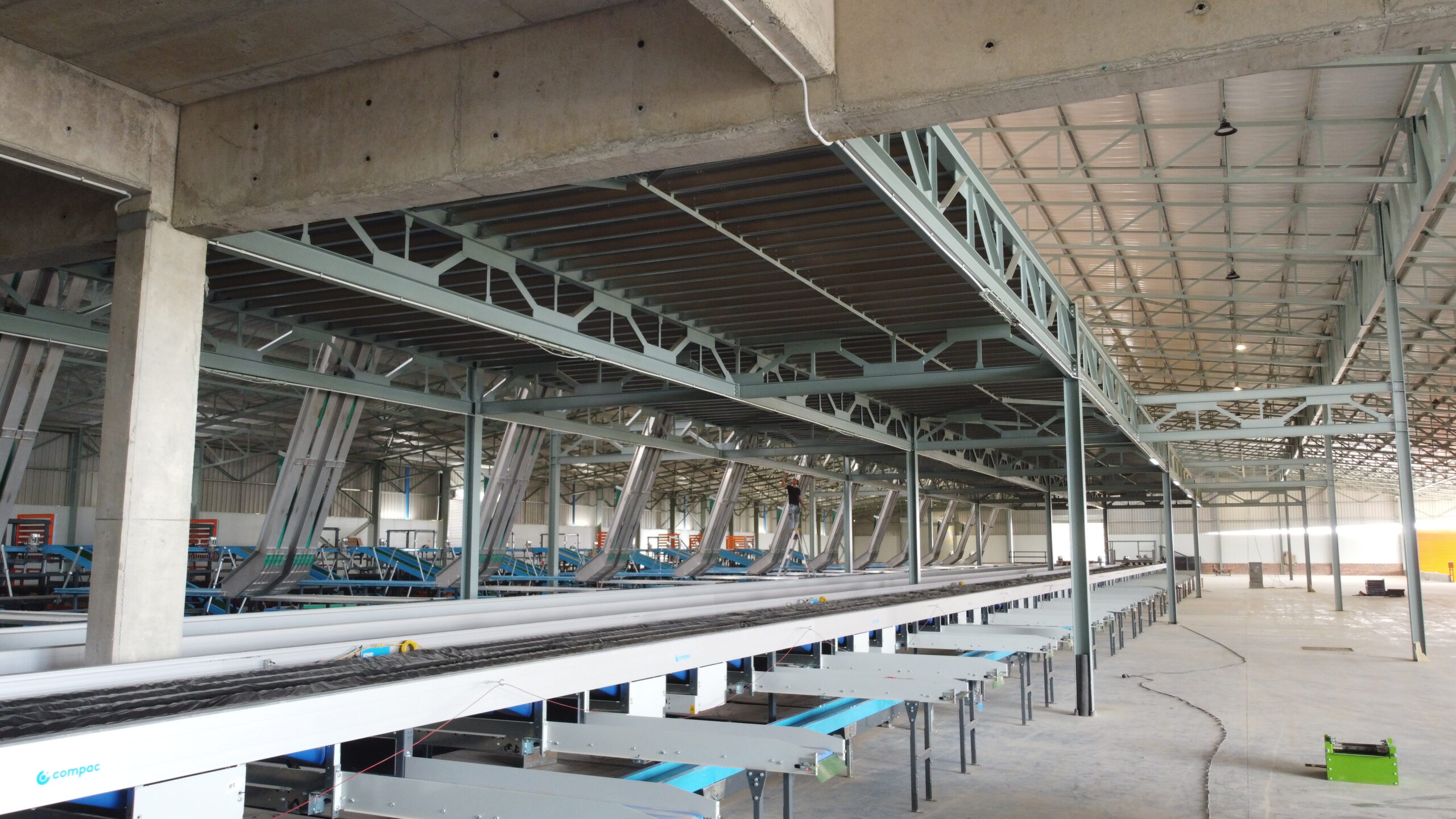
The 22,000 square meter facility boasts a triple-storey integrated office, internal box distribution mezzanine, and greening rooms, among other features.

Project Details
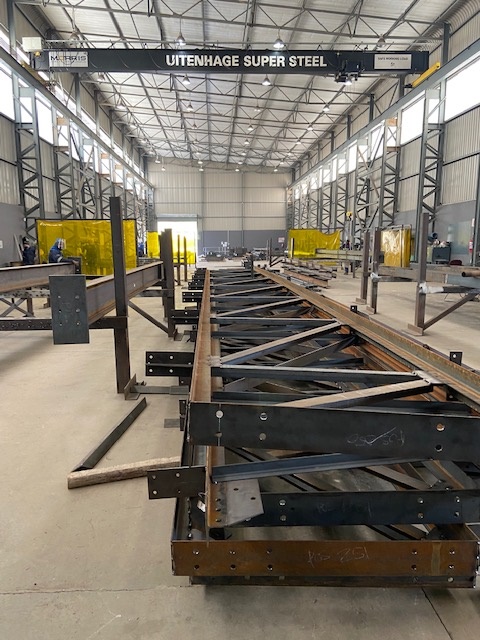
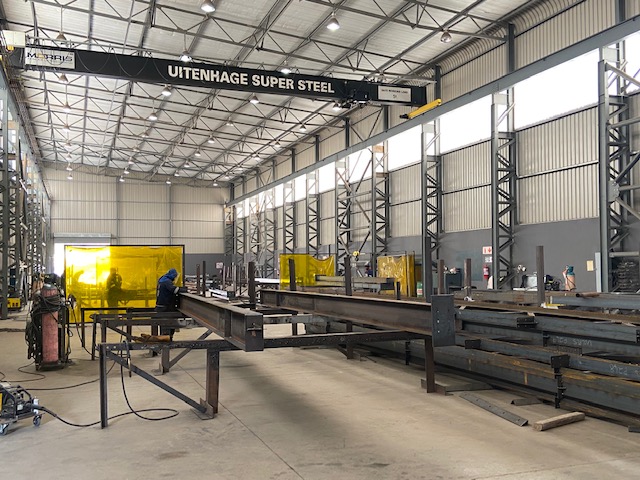
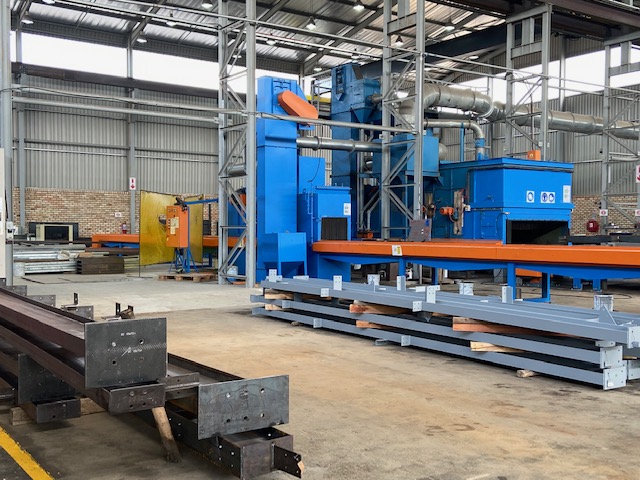
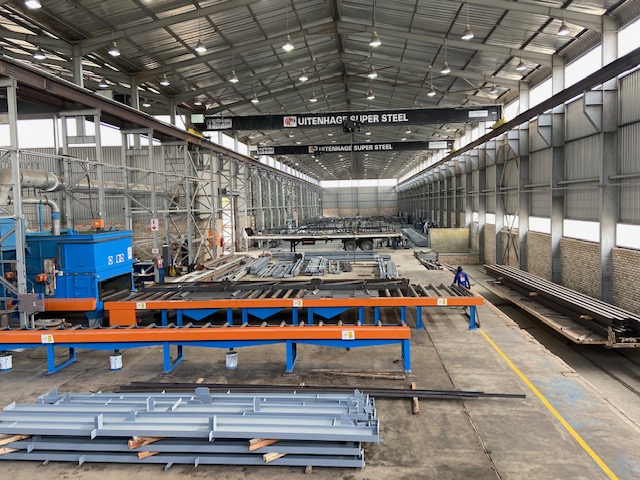
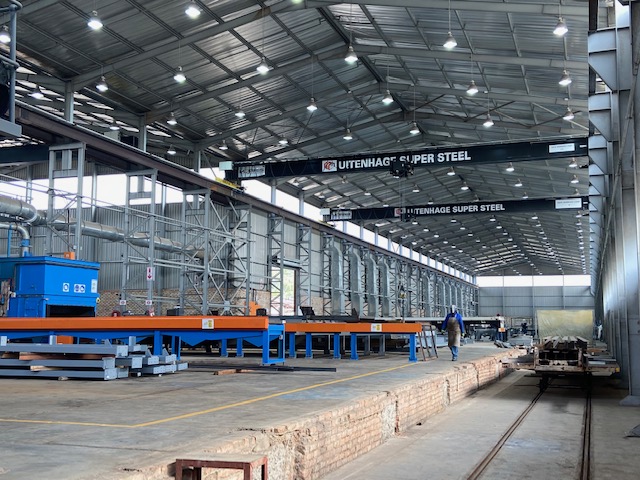
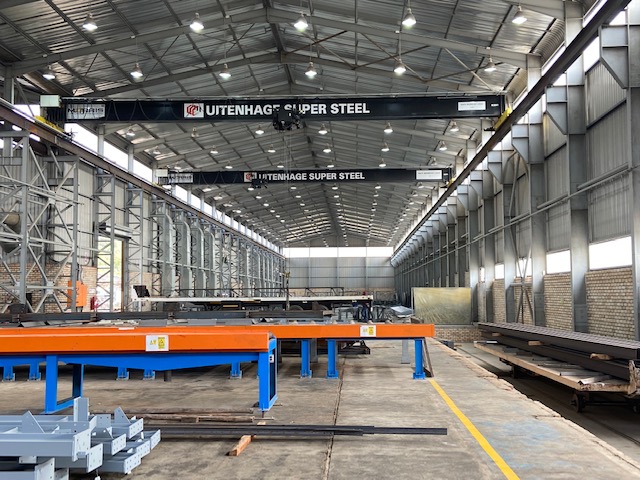
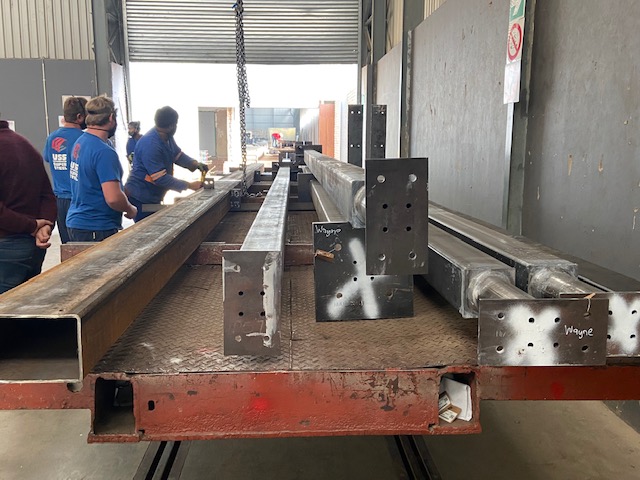
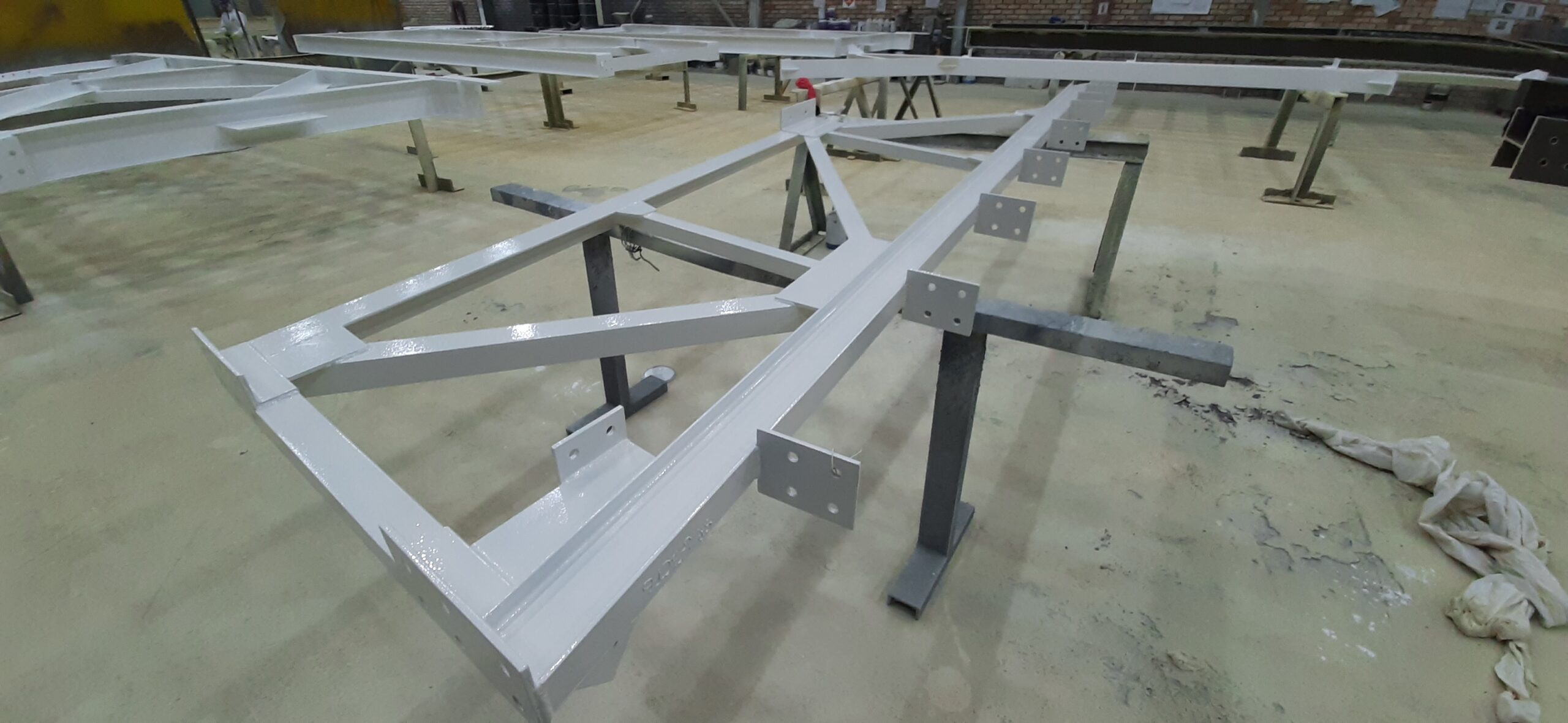
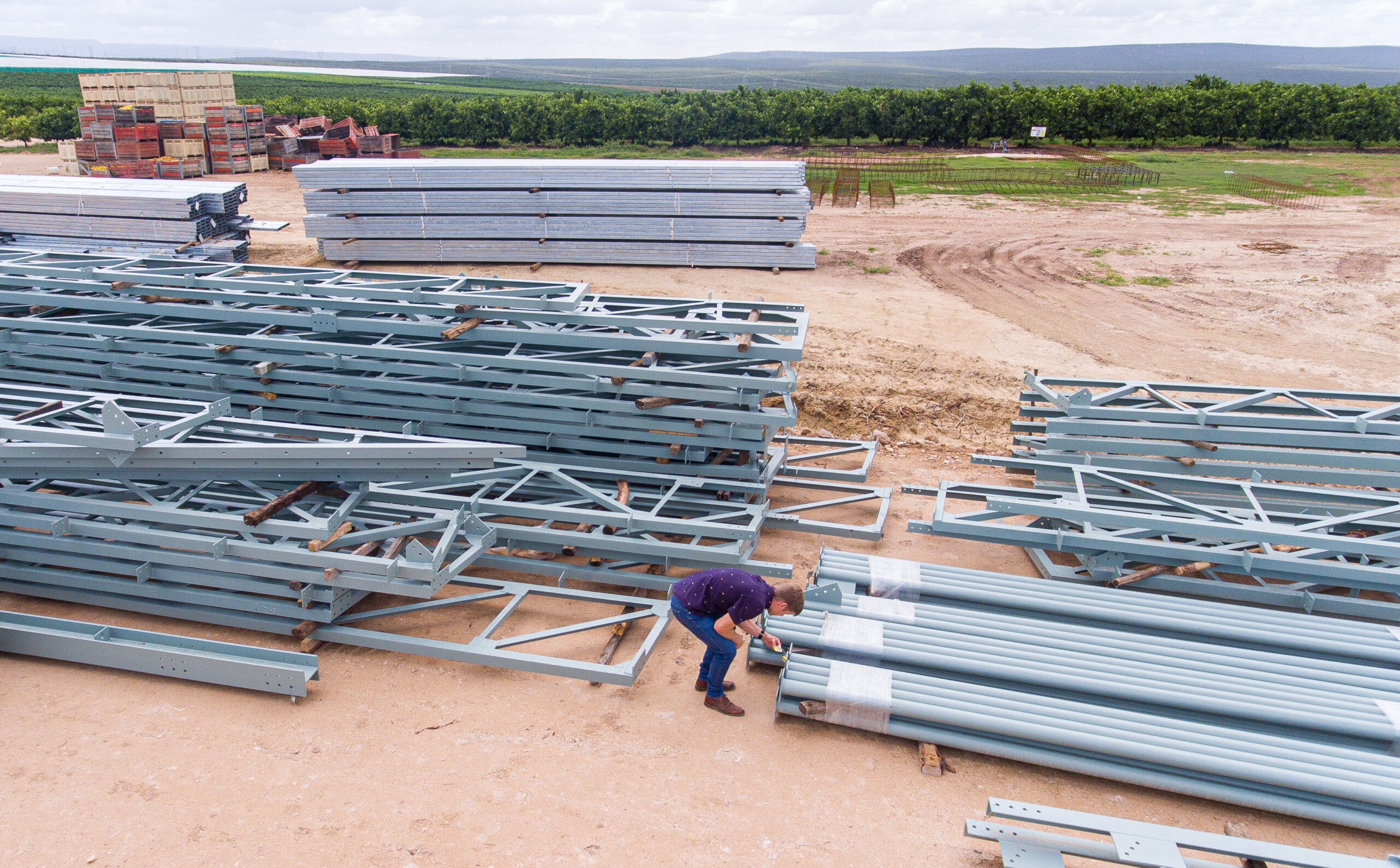
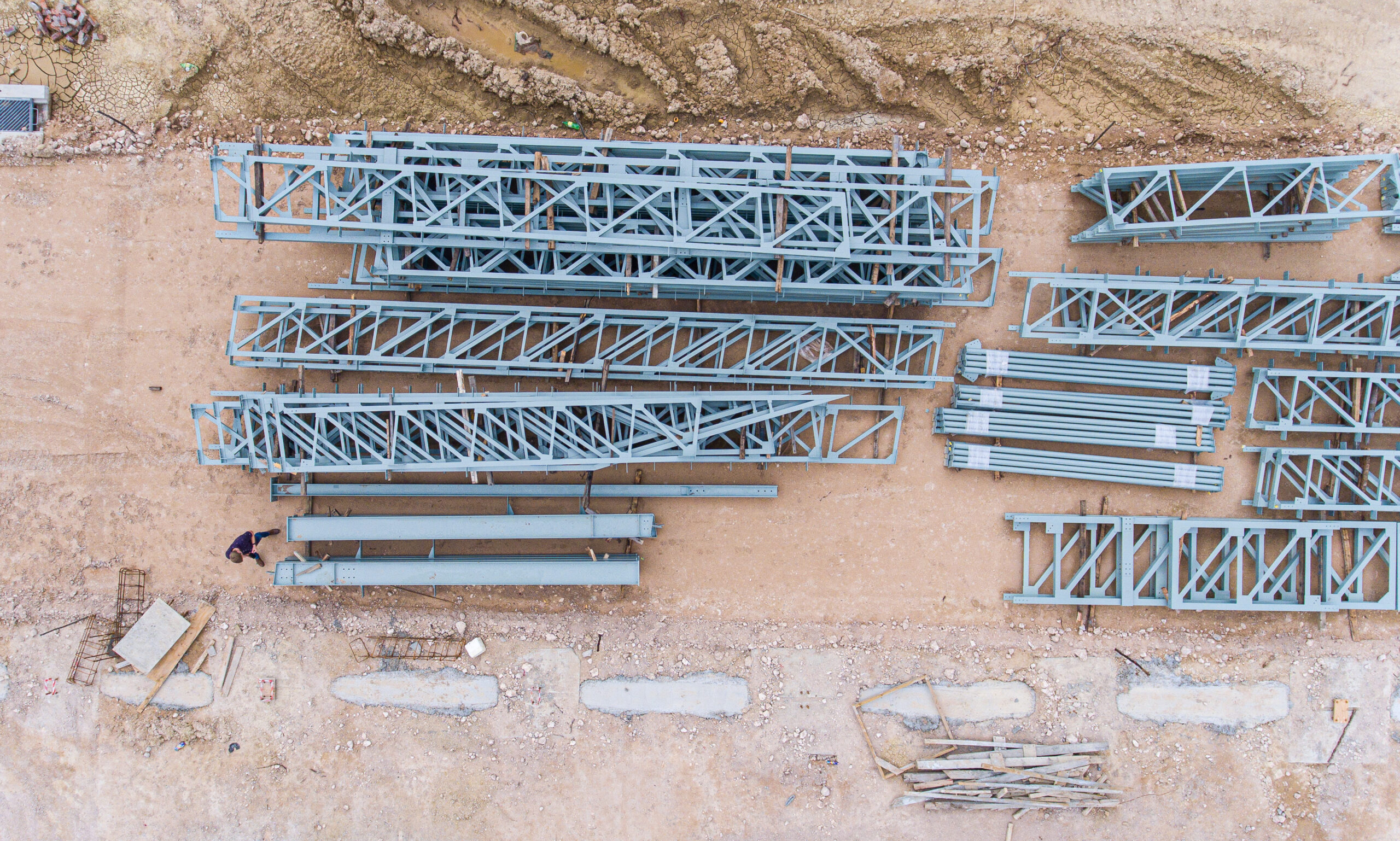
The manufacturing process for the project was guided by three key factors: technology, timing, and geography. The project started in February 2020 during the COVID-19 pandemic, which required changes in the manufacturing process, shifts, and transport for personnel. A proprietary electronic tracking system, created in-house by Uitenhage Super Steel, based on scanning technology was implemented to track the assembly pieces from issue to assembly, welding, coating, transportation, and on-site installation. Being in a rural area with dirt roads, required a significant amount of quality control to ensure the final paint coatings and corrosion protection met all the standards and requirements.
Benefits of Steel in this Application

The Woodridge Packhouse project is a testament to the power of collaboration and creative thinking, resulting in an impressive and functional facility that meets the client's needs and exceeds expectations. The project was a landmark building that presented an opportunity to test time effectiveness within a complex design. Collaboration between the professional team, the architect, the engineer, and the shop drawing personnel was crucial to ensure the complexity of the design did not interfere with the simplicity required in the manufacturing process.
The project served the citrus industry, which had a specific window of opportunity for building construction and commissioning that aligned with their packing times.